Greensboro rewards people who take note of their yards. The city sits on the line where the Piedmont's rolling clay satisfies pockets of sandy loam, which means plants behave differently street by street. Winters can flirt with teens, summers push into the 90s, and thunderstorms can discard an inch of rain in an hour. If you desire a landscape that looks great without draining your budget, the technique is choosing jobs that work with this environment, not against it. For many years, I've found that small, well-placed upgrades deliver more effect than huge, pricey overhauls, specifically in Greensboro's mix of older areas and newer subdivisions.
What follows is a practical guide rooted in local conditions: soil that condenses quickly, shade from growing oaks and maples, deer that wander more than you anticipate, and water rules that can tighten during dry spells. You can take these jobs piece by piece, weekend by weekend, and still end up with a lawn that feels deliberate. If you're comparing specialists for landscaping Greensboro NC services, the exact same concepts apply. A wise strategy and targeted labor frequently beat broad, high-cost proposals.
Start with the site you have
Every budget plan project begins with a fast audit. Walk your property after a heavy rain and note where water sits. Check the sun at 9 a.m., twelve noon, and 4 p.m. Scratch the soil with a trowel and feel the texture. Clay in Greensboro is common, and it acts like a brick when dry and a sponge when damp. You can improve it, but the enhancements require to be constant and realistic.
If you moved from another area, change expectations. Plants that thrive in seaside sand may sulk here. On the other hand, plants that suffer in mountain wind often love the Piedmont's shelter. That context assists you prevent money sinks, like attempting to require an English home garden in difficult summer season heat or putting full-sun sedums under fully grown pines.
When I fulfill homeowners in Westerwood or Starmount, the typical perpetrators are the exact same: patchy lawn in shade, deteriorated slopes, spindly structure shrubs, and beds that lose the fight to weeds by June. Each can be repaired without a large spending plan, if you pick the best sequence.
Soil and mulch: the quiet investments
If you do only two things this year, include compost and mulch. They cost reasonably little and pay you back every season.
Greensboro's clay reacts well to raw material. You do not require to till the whole backyard. Spread one to two inches of garden compost on beds in late winter season or early spring, then rough it in with a garden fork to the top four inches of soil. With time, earthworms and wetness pull it down. Garden compost improves drain throughout rainstorms and holds moisture in droughts. It also buffers pH, which helps with nutrient uptake.
Mulch does the rest. A 2 to 3 inch layer of shredded hardwood or pine fines reduces weeds, moderates soil temperature, and slows disintegration. Skip the thick blankets; 4 inches or more can smother roots and invite sour smells. In pine-heavy neighborhoods like New Irving Park, pine straw is a budget-friendly mulch that matches the appearance of the canopy. It likewise stays in place much better on slopes than chips do. If you choose a more formal bed edge, use a tidy trench line instead of plastic edging. A sharp spade and a string line can make a clean V-shaped cut that looks professional and costs absolutely nothing but time.
One caution: colored mulches typically look sharp for a season but can crust over and ward off water, particularly the more affordable ranges. On a spending plan, natural shredded hardwood from a reputable backyard provider generally performs better.
A yard method that respects shade and heat
Chasing a magazine-perfect lawn can devour money. In Greensboro, the two common lawn choices are high fescue and warm-season lawns like zoysia and Bermuda. If your yard has more than 4 hours of afternoon shade, Bermuda is out. Zoysia endures a bit more shade however still chooses substantial sun. Tall fescue, a cool-season grass, stays green the majority of the year and tolerates partial shade, though summertime heat stresses it.
A budget-wise technique is to accept combined turf zones. Keep fescue in the front where discussion matters, and convert the shadiest yard locations to groundcovers or mulch courses. Overseed fescue in fall, not spring. Seed is more affordable than sod, and fall seeding takes advantage of cool air, warm soil, and constant rain. Aim for 2 to 3 pounds of seed per 1,000 square feet, and rent a slit seeder if you're covering large locations. In spring, concentrate on mowing at 3.5 to 4 inches to shade out weeds and decrease water needs.
I see many yards with bare circles under maples and oaks. The fix isn't more seed. The repair is to stop battling the trees. Extend the bed line to the drip edge and plant dry-shade types like ajuga, hellebores, or Christmas fern. It looks deliberate and cuts your mowing time, which is a surprise cost in fuel and wear.
Front-entry effect with thrift-store dollars
Curb appeal gets you the most credit per dollar. The front entry is where the eye lands, and little upgrades here make the entire residential or commercial property feel cared for.
Reframe the sidewalk with a set of low-priced planters. Large, lightweight fiberglass pots can be had on clearance for $20 to $50 each, and they do not crack in winter. Fill them with a thriller, filler, and spiller combination that can take heat: thriller might be purple water fountain grass or a small evergreen like dwarf yaupon holly, filler could be lantana or vinca, and spiller could be sweet potato vine. In October, swap the heat fans for pansies or violas, which typically flower through December here.
Clean and redefine the foundation plantings. Older homes typically have oversized hollies or ligustrum hugging the brick. Rather than paying to eliminate mature shrubs, let a professional make three or 4 decrease cuts in late winter to open space and press new growth from within. Then https://www.ramirezlandl.com/contact underplant with an easy rhythm: three Carolina jessamine on trellises in between windows, or a line of Compacta holly punctuated with dwarf abelias. Easy repetition looks more pricey than a selection of singles.
If the concrete stoop is stained, a gallon of specialized concrete cleaner and a stiff brush can transform it for under $30. Change one tired porch light with a dark-sky component that matches the house style. These details carry outsized weight when next-door neighbors and purchasers take a look at your home.
Plant options that make their keep
Choosing the right plants does more for your budget than any voucher. The sweet area in Greensboro is locals or near-natives that endure clay, humidity, and the wet-dry cycle, plus a couple of tested imports that behave.
Boxwood options save cash long-lasting. Diseases have actually thinned boxwoods across the area. Inkberry holly, especially 'Shamrock' or 'Compacta', provides a similar appearance and handles heavy soils. Dwarf yaupon holly is another resilient choice, and pruning is forgiving.
For flowering shrubs, take a look at abelia, oakleaf hydrangea, and spirea. Abelia 'Kaleidoscope' tosses color the majority of the season, endures heat, and requires little care. Oakleaf hydrangea gives you big flowers and great fall color. If deer frequent your block, oakleaf hydrangea fares better than panicle hydrangea most years, though no hydrangea is genuinely deer-proof.
Perennials that take Greensboro summer seasons: coneflower, black-eyed susan, coreopsis, salvia, and daylilies. For shade, hellebore and fall fern are stalwarts. Liriope gets excessive used, however in narrow strips it's unequalled for price and durability. If you desire pollinator value without fuss, include mountain mint and agastache. Both shrug off heat and rain.
Trees are worthy of extra idea. Even a budget landscape benefits from one well-placed tree. Serviceberry offers spring flowers and fall color without getting too large. Redbud is renowned in the Piedmont and endures clay, particularly cultivars like 'Oklahoma' and 'Forest Pansy'. If you have space and perseverance, a willow oak anchors a front lawn and increases residential or commercial property value, but remember its ultimate size and strong surface roots. Trees cost more upfront, however their shade cuts cooling expenses and reduces lawn area, which is an ongoing win.
Edging, path, and bed shapes without heavy tools
You can alter the feel of a yard simply by redrawing lines. Curves need to be mild and purposeful, not loopy. A pipe on the ground helps picture. When you like the shape, cut a clean six-inch-deep edge with a flat spade. That trench holds mulch and offers a neat shadow line, the exact same kind you pay a crew to produce. Restore it twice a year, spring and fall, and you'll keep clean separation with little effort.
For paths, pea gravel is economical and works well if you support it. Dig 3 inches, lay down landscape material only if you require weed suppression, then set up a two-inch base of compressed screenings and a one-inch layer of pea gravel. A cheap but strong steel edging keeps it in location. If your yard slopes, include shallow swales to the sides so water doesn't carry gravel downhill.
In the back, basic stepping stones set into mulch produce instantaneous structure. I've set dozens of courses with 18-inch square pavers spaced 2 feet on center. It looks mindful but costs less than a continuous patio area. Turf does not like foot traffic in summer season, so a little course typically resolves a mud issue cheaply.
Rain handling on a budget
Greensboro sees storm bursts that can wear down beds and flood low corners. You don't need a full engineered rain garden to improve the situation. Start with basic practices that move and sluggish water.
Redirect downspouts into shallow swales that cause a planted location. Swales must be broad and shallow, more like a lazy anxiety than a ditch. A layer of river rock where water exits the downspout keeps mulch from getting rid of. If a downspout dumps into a bed, position a flat stone or paver to break the circulation before it hits soil.
Where water collects, think about a micro rain garden, a planted bowl no bigger than 6 by 6 feet. Dig it 6 to 12 inches deep, amend with compost, and plant moisture-tolerant natives like blue flag iris, soft rush, and Joe Pye weed. Mulch with shredded wood that knits together. In numerous Greensboro neighborhoods, this little feature is enough to handle a normal storm.
One essential note: avoid sending your runoff to the neighbor's property or the sidewalk. Great landscaping, even on a budget plan, keeps water onsite as much as possible.
Privacy without a wall of green
Privacy hedges can be expensive and sluggish to fill in. Homeowners typically default to Leyland cypress, just to battle illness and storm breakage. There are less expensive, smarter ways.
Staggered clusters cost less than strong lines. Three groups of 3, offset, create screens where you require them while preserving air circulation. Utilize a mix that staggers height: a taller aspect like 'Green Giant' arborvitae or 'Nellie R. Stevens' holly, a midlayer like wax myrtle, and a low evergreen like dwarf yaupon. Spacing ought to show the mature width, not the nursery pot. Planting too tight result in future elimination costs.
Supplement the plant screen with an easy lattice panel installed in between 4x4 posts and stained to match your home trim. A quick climber like Carolina jessamine will cover it within one or two seasons, and you have actually saved cash by minimizing the plant count. In narrow side lawns, a single 8-foot panel can make the distinction between feeling on display and feeling settled.
Seasonal color that survives July
Greensboro's summer heat punishes pansies, petunias, and geraniums. Keep them for shoulder seasons, and lean on heat fans when the humidity climbs.
In sun, select lantana, vinca (the yearly, not the vine), angelonia, and gomphrena. They do not fade in August. In bright shade, caladiums supply color without flowers. For containers, combine a difficult thriller like purple fountain yard with vinca and sweet potato vine. Water deeply, less frequently, and keep pots where you can reach them with a hose.
By October, shift to pansies, violas, and dirty miller. Greensboro winter seasons hardly ever kill them outright, and they bloom on mild days. Tuck bulbs like daffodils underneath fall plantings for a two-layer show in March without additional spring work.
Simple lighting for big effect
A couple of well-placed lights transform a lawn for very little cash. Solar stake lights have actually enhanced, but the most inexpensive sets still look bluish and dim. If you can extend the spending plan, a low-voltage transformer and 3 to five LED fixtures will settle in quality and lifespan.
Aim a narrow area at a specimen tree and location mild course lights at key turns, not every three feet. Keep fixtures low and discrete. Numerous Greensboro homes have fully grown trees near to the front walk; lighting the trunk texture yields a soothing effect that conceals minor yard flaws at night.
If you are truly pinching pennies, swap your porch bulb for a warm LED and include a motion sensing unit. The viewed security and hospitality are worth the fifteen-dollar spend.
Xeric corners and the art of "do less"
Not every inch of your lot requires the exact same level of care. Determine areas that are difficult to irrigate or constantly burn out. Transform those to a low-water vignette. On south-facing strips near driveways, plant a trio of yucca or prickly pear, a swath of blue fescue, and 2 or 3 boulders gathered from a stone lawn. Leading with pea gravel or decayed granite. The whole area may cost less than a year of seed and water for a yard that never ever looked good there anyway.
The "do less" viewpoint saves cash in surprising ways. If you're spending hours pruning a shrub that wants to be two times its size, replace it with one that fits the space. If you weed the same bed every two weeks, add a thick groundcover like sneaking Jenny or mondo turf. The very first year is the investment; the second year is the reward.
Where to spend and where to save
I tell customers to save on plants and spend on infrastructure they will never ever wish to renovate. A good shovel, a heavy rake, a sharp set of bypass pruners, and a wheelbarrow make every task simpler and more secure. Lease a sod cutter or auger for a day rather than buying. Borrow a pickup just when required; delivery charges from local providers are often little compared to the time and hassle of numerous trips.
For materials, regional landscape supply lawns beat big-box stores on bulk soil, mulch, and rock. Procedure thoroughly and buy a bit less than you believe you need, since beds frequently have more volume than people anticipate. You can always add a second delivery.
On services, get bids for labor-heavy one-time tasks: tree work, large stump elimination, or heavy grading. Experienced crews finish in hours what can take you three weekends. For everything else, consider a hybrid technique: have a pro produce a website plan or mark bed lines with paint, then do the planting and mulch yourself. When people browse landscaping Greensboro NC, the best value typically originates from firms that support property owner involvement rather than demanding turnkey packages.
A practical weekend sequence
If you like to follow a series, here is a basic, economical order of tasks that matches numerous Greensboro yards.
- Weekend 1: Specify bed edges, get rid of weeds, top-dress beds with one to 2 inches of garden compost, then mulch to two or three inches. Redirect obvious downspouts with splash blocks or rock pads. Weekend 2: Plant anchor shrubs and one tree, picking types matched to your light and soil. Install two planters at the front entry. Set stepping stones along a high-traffic path. Weekend 3: Overseed front yard with high fescue in fall or address bare shade with groundcovers. Include a micro rain garden where water gathers after storms. Weekend 4: Set up easy low-voltage lighting or update the porch light. Prune oversized shrubs with selective cuts, not shearing. Weekend 5: Fill out perennials for seasonal color and set up a little privacy panel with a fast-growing vine where screening is needed.
Keep receipts and plant tags. Note what thrives through a Greensboro August and what falters. Those notes save you cash next year.
Common risks and simple fixes
I have actually seen the same errors repeat, mainly because they seem like faster ways. Planting too deep is the silent killer. The top of the root ball must sit somewhat above surrounding soil, and you ought to see the root flare. If you bury it, the plant slowly suffocates.
Skipping watering the very first season is another spending plan breaker. Even drought-tolerant plants need routine water to establish. Deep watering once or twice a week beats everyday sprays. Use a cheap mechanical timer if you forget.
Buying among everything creates a patchwork appearance that checks out as clutter. Group plants in threes and fives of the same range. Repeating looks deliberate and soothing, even if the plants are inexpensive.
Ignoring scale leads to future costs. A four-foot-wide plant does not belong in a two-foot bed. Measure fully grown sizes and adhere to them. If the label declares 3 to five feet, presume it ultimately hits five.
Finally, over-fertilizing cool-season lawns in summer typically results in illness and burned spots. In Greensboro, feed fescue in fall and late winter. In summertime, mow high, water as needed, and accept slower growth.
Real budgets, real numbers
To ground expectations, here are normal expenses I see for little Greensboro projects, assuming homeowner labor and local prices since current seasons:
- Bulk shredded hardwood mulch: 2 to 3 cubic yards for $80 to $150 delivered, enough for numerous front beds. Compost: 1 to 2 cubic yards for $60 to $120 delivered, top-dresses most structure beds. Tall fescue seed: $30 to $60 for a quality 25-pound bag, enough for 8,000 to 10,000 square feet overseeding at light rates. Foundation shrubs: $20 to $40 each for 3-gallon abelia, dwarf holly, or inkberry; plant 5 to seven for a tidy rhythm. Small ornamental tree: $120 to $250 for a 10 to 15-gallon redbud or serviceberry. Low-voltage lighting set: $150 to $300 for a basic transformer and 3 to five LED fixtures. Stepping stones and course products: $150 to $300 depending on size and length.
With $500 to $1,000 and a couple of weekends, a lot of homeowners can reshape a front yard, include an anchor tree, clean the edges, and set a course. Stretch to $1,500, and you can add lighting and a micro rain garden.
Working with specialists, wisely
Sometimes employing help is the genuine budget move. A day of proficient labor can avoid expensive errors. When you gather quotes for landscaping in Greensboro or nearby, ask for phased propositions. Focus on drain and grading initially, then plants and surfaces. Share your strategy to handle routine maintenance yourself; the good pros will customize their approach and suggest plants that match your dedication level.
Vet professionals by walking a recent task, not just searching photos. Ask about warranty terms on plantings and whether they will mark bed lines and tree placements on site before digging. Clear communication upfront avoids modification orders that eat budgets.
Maintenance rhythms that keep costs down
Once the bones are in location, steady light maintenance beats huge overhauls.
- Late winter season: Prune summer-flowering shrubs, gently shape evergreens, and top-dress beds with compost. Spring: Mulch, edge, and set annuals in containers. Examine irrigation and downspout flows. Summer: Mow high for fescue, water deeply and infrequently, deadhead perennials that react, and string-trim bed edges as needed. Fall: Overseed fescue, plant trees and shrubs, set up pansies, and renew course gravel if thin.
These rhythms match Greensboro's climate and decrease emergency costs. Skipping whole seasons leads to catch-up costs.

A backyard that fits your life
Landscaping needs to match how you live. If you host cookouts, invest in a durable path from door to grill and a lit event spot. If you garden for quiet, build a single shaded seating nook with a bench on jam-packed screenings and a ring of ferns. Households with kids need resilient surfaces and clear sightlines, so trade tender perennials for difficult groundcovers and open grass in one specified area.
Your backyard does not need to impress everybody in one year. It needs to work for you during Greensboro's sticky July evenings and crisp October afternoons. The budget technique favors perseverance. Plant roots establish, mulch settles, edges hone, and eventually, the piecemeal projects check out as a cohesive design.
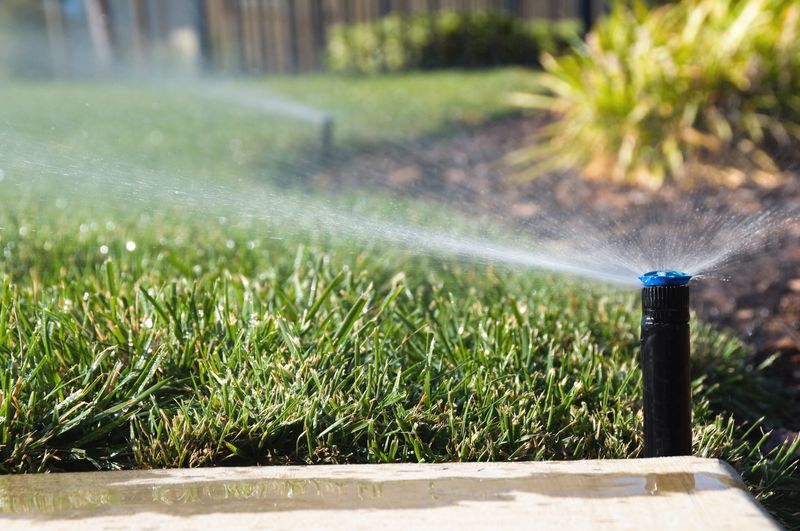
If you keep the core principles in mind, you'll prevent most detours. Enhance the soil gradually, choice plants that like this location, respect water movement, and spend where permanence matters. Whether you DIY or hire targeted assistance for landscaping Greensboro NC tasks, your cash goes further when you withstand the desire to combat the site. The Piedmont benefits consistent hands and useful options, which is good news for a budget.
Business Name: Ramirez Landscaping & Lighting LLC
Address: Greensboro, NC
Phone: (336) 900-2727
Website: https://www.ramirezlandl.com/
Email: [email protected]
Hours:
Sunday: Closed
Monday: 8:00 AM–5:00 PM
Tuesday: 8:00 AM–5:00 PM
Wednesday: 8:00 AM–5:00 PM
Thursday: 8:00 AM–5:00 PM
Friday: 8:00 AM–5:00 PM
Saturday: 8:00 AM–5:00 PM
Google Maps: https://www.google.com/maps/search/?api=1&query=Google&query_place_id=ChIJ1weFau0bU4gRWAp8MF_OMCQ
Map Embed (iframe):
Social Profiles:
Facebook
Instagram
Major Listings:
Localo Profile
BBB
Angi
HomeAdvisor
BuildZoom
Ramirez Landscaping & Lighting is a Greensboro, North Carolina landscaping company providing design, installation, and ongoing property care for homes and businesses across the Triad.
Ramirez Landscaping & Lighting offers hardscapes like patios, walkways, retaining walls, and outdoor kitchens to create usable outdoor living space in Greensboro NC and nearby communities.
Ramirez Landscaping & Lighting provides irrigation services including sprinkler installation, repairs, and maintenance to support healthier landscapes and improved water efficiency.
Ramirez Landscaping & Lighting specializes in landscape lighting installation and design to improve curb appeal, safety, and nighttime visibility around your property.
Ramirez Landscaping & Lighting serves Greensboro, Oak Ridge, High Point, Brown Summit, Winston Salem, Stokesdale, Summerfield, Jamestown, and Burlington for landscaping projects of many sizes.
Ramirez Landscaping & Lighting can be reached at (336) 900-2727 for estimates and scheduling, and additional details are available via Google Maps.
Ramirez Landscaping & Lighting supports clients with seasonal services like yard cleanups, mulch, sod installation, lawn care, drainage solutions, and artificial turf to keep landscapes looking their best year-round.
Ramirez Landscaping & Lighting is based at 2700 Wildwood Dr, Greensboro, NC 27407-3648 and can be contacted at [email protected] for quotes and questions.
Popular Questions About Ramirez Landscaping & Lighting
What services does Ramirez Landscaping & Lighting provide in Greensboro?
Ramirez Landscaping & Lighting provides landscaping design, installation, and maintenance, plus hardscapes, irrigation services, and landscape lighting for residential and commercial properties in the Greensboro area.
Do you offer free estimates for landscaping projects?
Ramirez Landscaping & Lighting notes that free, no-obligation estimates are available, typically starting with an on-site visit to understand goals, measurements, and scope.
Which Triad areas do you serve besides Greensboro?
Ramirez Landscaping & Lighting serves Greensboro and surrounding Triad communities such as Oak Ridge, High Point, Brown Summit, Winston Salem, Stokesdale, Summerfield, Jamestown, and Burlington.
Can you help with drainage and grading problems in local clay soil?
Yes. Ramirez Landscaping & Lighting highlights solutions that may address common Greensboro-area issues like drainage, compacted soil, and erosion, often pairing grading with landscape and hardscape planning.
Do you install patios, walkways, retaining walls, and other hardscapes?
Ramirez Landscaping & Lighting offers hardscape services that commonly include patios, walkways, retaining walls, steps, and other outdoor living features based on the property’s layout and goals.
Do you handle irrigation installation and repairs?
Ramirez Landscaping & Lighting offers irrigation services that may include sprinkler or drip systems, repairs, and maintenance to help keep landscapes healthier and reduce waste.
What are your business hours?
Ramirez Landscaping & Lighting lists hours as Monday through Saturday from 8:00 AM to 5:00 PM, and closed on Sunday. For holiday or weather-related changes, it’s best to call first.
How do I contact Ramirez Landscaping & Lighting for a quote?
Call (336) 900-2727 or email [email protected]. Website: https://www.ramirezlandl.com/.
Social: Facebook and Instagram.
Ramirez Landscaping & Lighting serves the Greensboro, NC community with expert hardscaping solutions for residential and commercial properties.
Searching for landscaping in Greensboro, NC, contact Ramirez Landscaping & Lighting near Piedmont Triad International Airport.